
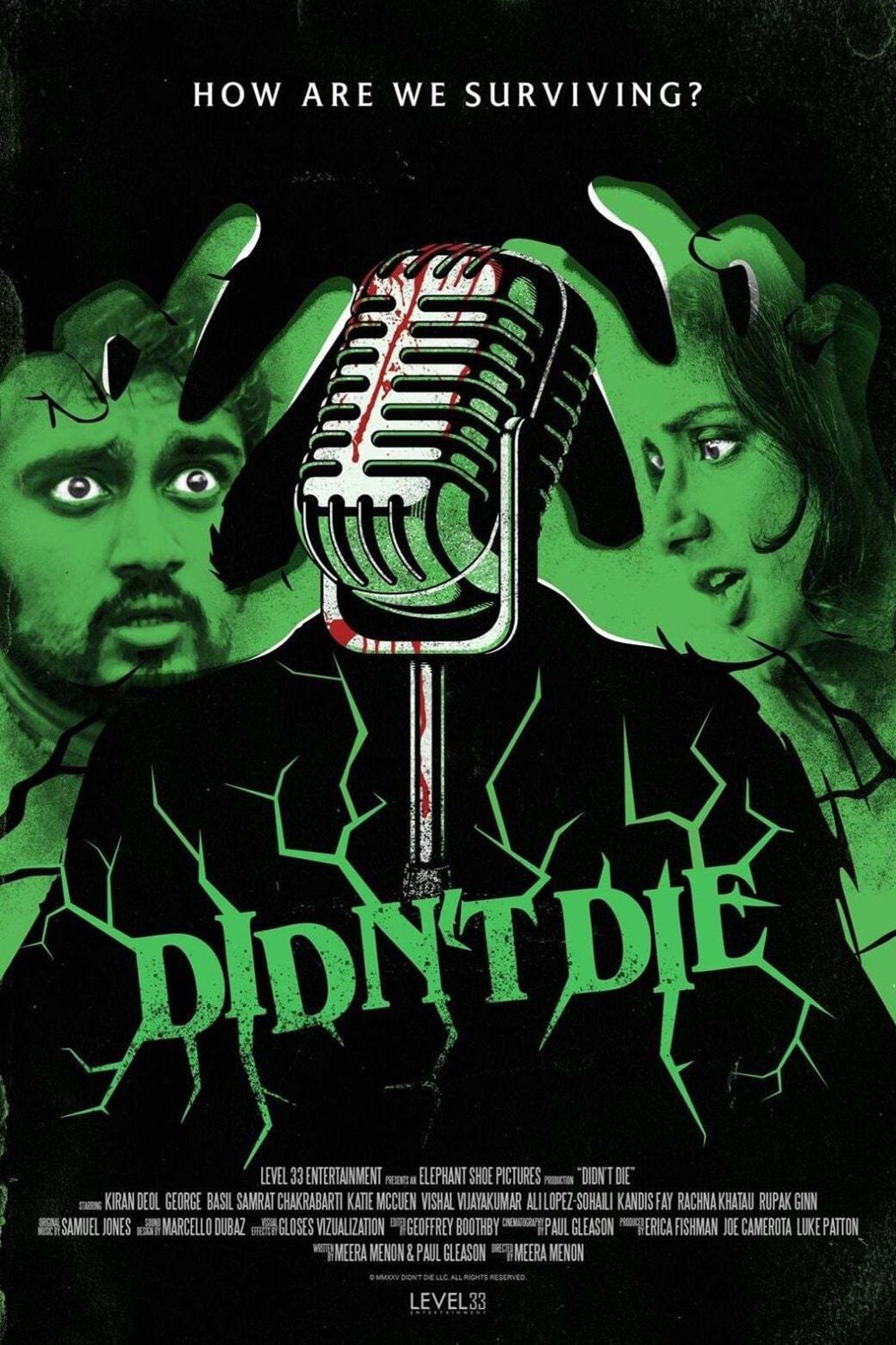
“Didn’t Die” follows a podcast host who desperately clings to an ever-shrinking audience in the zombie apocalypse.
“Didn’t Die” takes a human-focused approach to the zombie apocalypse. The film shares similarities with “The Walking Dead,” but narrows its scope even further by concentrating on a much smaller group of survivors. Instead of emphasizing large-scale chaos, the story functions as a collection of character studies. Each individual reacts to the apocalypse in their own way, and the narrative follows their journeys through change, conflict and emotional growth.
“Didn’t Die” relies heavily on dialogue, using conversations between characters to drive the story forward. Rather than focusing on action or constant zombie encounters, the film uses its premise as a way to explore deeper themes.
At its core, the story examines the importance of relationships and community during times of crisis. The apocalypse becomes less about survival against the undead and more about how people respond to isolation and dependence on others. The central character experiences significant development as her outlook gradually shifts, forcing her to reconsider her priorities and the role that other people play in her life.
The success of this approach largely depends on the performances, and the cast delivers across the board. Kiran Deol leads the film as Vinita, giving a grounded performance that captures vulnerability and resilience. Strong supporting work from George Basil as Vincent, Vishal Vijayakumar as Rishi and Samrat Chakrabarti as Hari helps create a believable sense of community among the group. Because the film focuses so heavily on character interactions, these performances become the emotional backbone of the entire narrative.
The film is presented in black-and-white, a creative decision that complements the bleak setting. In a world where society has collapsed, the absence of color reinforces the idea that life and vibrancy have largely disappeared. The survivors are left navigating an environment that feels cold and drained of energy.
“Didn’t Die” also benefits from its willingness to keep the story simple. The film avoids getting bogged down in explanations about the origins of the apocalypse or extensive lore surrounding the zombies. Instead, it focuses on the human element of the story. There is relatively little zombie action throughout the runtime, but that restraint works in the film’s favor. By concentrating on relationships rather than spectacle, the story highlights the power of connection. For the most part, this approach works well as the narrative builds toward its conclusion.
However, the final 20 minutes feel slightly less earned than what comes before. After spending much of its runtime avoiding genre clichés, the ending ultimately leans into a more predictable resolution. The first portion of the film feels refreshingly unconventional, which makes the familiar nature of the finale stand out even more.
“Didn’t Die” is technically a zombie movie, but only in the loosest sense. Rather than centering its story on the apocalypse itself, the film focuses on a small group of people who discover deeper connections with one another while navigating the chaos around them. Through that lens, “Didn’t Die” delivers a story about the importance of community, love and relationships — and for the most part, it succeeds in bringing those themes to life.
Rating: 3 out of 5
