
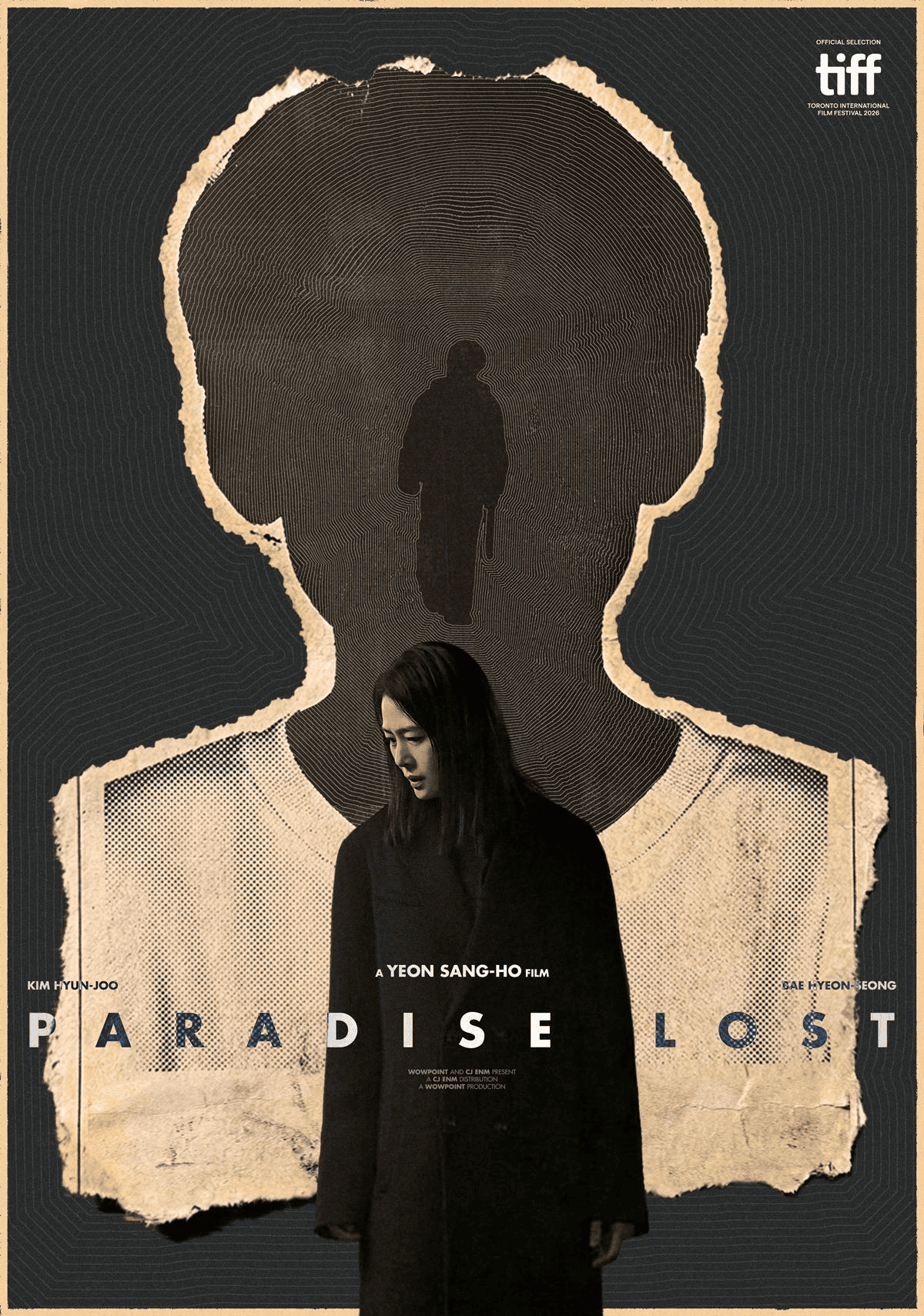
“Paradise Lost” follows grieving mother So-young, who uses alternate reality technology to cope with her son’s disappearance. When he suddenly returns as an adult, her world fractures between the distant man and the virtual child who needs her. It’s based on Oh Seong-eun’s 2025 novel, “Black Inferno.”

The opening of “Paradise Lost” takes a similar approach to “Weapons,” featuring documentary-like narration that explains what happened in the “once-peaceful city.” The basic setup is also akin to Zach Kregger’s 2025 movie, with a group of kids going missing and parents having to deal with the aftermath. Where it goes from here, however, is very different. Rather than becoming full horror, co-writer and director Yeon Sang-ho explores a sci-fi concept with thriller and mystery elements.
This is Yeon’s second film of 2026, coming off the U.S. release of “Colony” in August. This may not revolve around a zombie apocalypse, but it shares technology-centered ideas: commercializing tragedy, private versus public information. Mainly, the film analyzes the difference between living in reality and living in a virtual reality. This is now relevant more than ever, with people becoming closer and closer to their AI chatbots and avatars. So… what happens when we can bring a loved one “back” from the dead? “Paradise Lost” provides a fascinating examination of what happens when this virtual world becomes better — or more valued — than your real one.
Here, you’re also not getting the fast-paced visuals of “Colony.” Instead, director of photography Song Hyun-suk keeps the camerawork steady, with slow-moving pans, push-ins, pull-outs and more. By not being overly flashy, the weight of the events remain the focus over the imagery itself.
More than anything else, “Paradise Lost” is a mystery… until it’s not. Over the first hour, Yeon and Ryu Yong-jae’s screenplay keeps its intentions hidden. It’s clear how much So-young is wrapped up in the world of “Children of Paradise.” But it’s unclear how or why the real Sun-woo returns after being missing for nine years. While the logistics remain enigmatic, this ambiguity is purposefully lost prior to the final act beginning. As it draws to a close, the film shifts from asking questions to directly asking the audience, “What would you do?”
“Between the fake son in the game and the real boy next door, who will Mommy choose? What will my game addict mom choose?”
By becoming so direct in its messaging, the film loses steam. The first two-thirds of the story are so engaging because you don’t know how Sun-woo is still alive. But because it’s revealed that the character has a specific agenda behind his reappearance, there isn’t the same sense of mystique about him. This causes the entire story to feel somewhat artificial in itself, as there’s no complex framework around the themes being explored.

Kim Hyun-joo (Ryu So-young) perfectly conveys the insurmountable grief that her character suffers from. She delivers screams of pain and tears of agony that shift from despair to rage. Bae Hyeon-seong (Ryu Sun-woo) expresses most of his feelings through blank stares. However, Bae is forced to deliver many lines that almost feel cartoonish, as his character is used as a vessel to introduce many topics.
“Paradise Lost” shows that there is no paradise in loss. The film is too conspicuous for its own good, but it’s more relevant than ever in a world of increasingly artificial comfort.
Rating: 3.5 out of 5
